
Today’s Best Ammo Deals: Grab Them Before They’re Gone
When you need several hundred rounds for an upcoming range session, ammo deals are the direct way to cut per-box costs without sacrificing quality. This service aggregates live discounts from major online retailers, letting 7.62x54R Ammo for Sale you compare price-per-round in one place and lock in bulk savings instantly. You simply filter by caliber and quantity, then purchase through the listed seller to secure the lower price before stock runs out.

Smart Ways to Spot Genuine Savings on Bulk Ammunition
To spot genuine savings on bulk ammunition, calculate the **cost per round** instead of fixating on the sticker price, as free shipping or a gift card often masks a mediocre ammo deal. Compare that final per-round figure 7.62×39 Ammo for Sale against the three-month average from major retailers, not just the inflated MSRP. Be wary of « blowout » prices on obscure calibers or questionable remanufactured stock; a true bulk ammo deal moves high-volume favorites like 9mm or .223 at a 15-20% margin below standard. Always factor in hazmat fees—a low base price loses value if the seller tacks on $25 in shipping. Finally, check the lot’s manufacturing date and primer sealant; old, corroded brass negates any savings. Trust only sellers whose bulk pricing drops consistently across quantities, proving the discount is structural, not a one-off loss leader.
Comparing Price per Round Versus Sticker Price
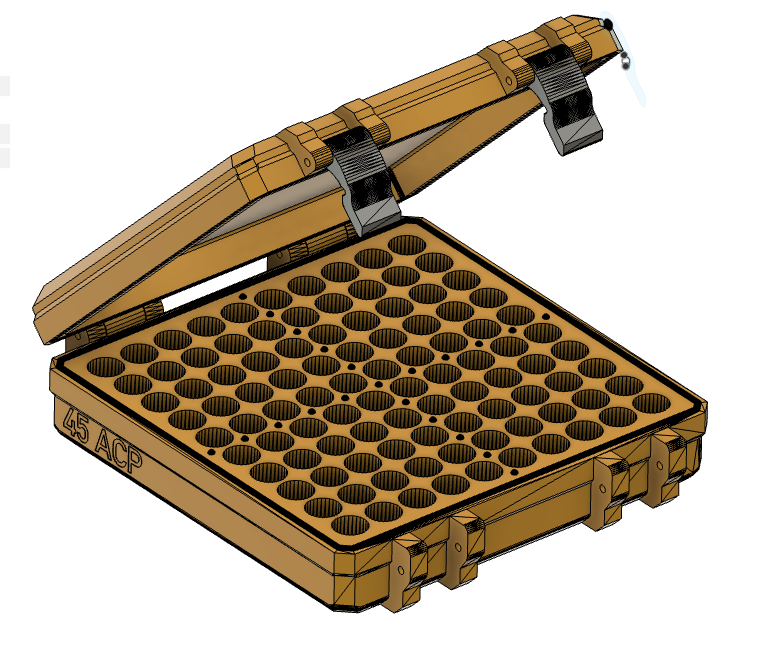
When evaluating bulk ammo deals, the **sticker price per case** is a trap; the true metric is the cost per round. Always divide the total price, including shipping and taxes, by the Ammo Cans & Storage for Sale exact round count—a “discounted” 500-round box can easily lose to a 200-round box on a per-round basis. Compare across calibers and grain weights only after normalizing to the same load, as heavier bullets often command a legitimate premium. Ignore “free gift” incentives, as they inflate per-round costs. Per-round comparison reveals actual savings that sticker shock obscures.
- Calculate price-per-round after adding shipping and any handling fees.
- Compare only identical bullet weights and types (e.g., 115gr FMJ vs. 115gr FMJ).
- Use a spreadsheet formula: (case price + shipping) ÷ total rounds = true unit cost.
- Reject any deal where the per-round cost exceeds your local retail baseline.
Identifying When a Sale Is Actually a Markdown
A genuine markdown on bulk ammunition is relative to that specific cartridge’s recent baseline, not its MSRP. Before any sale, track the average price per round for the exact brand, grain, and bullet type across three or four major online retailers over several weeks. If the current “sale” price only matches that historical average, it is not a markdown—it is a standard listing. A true markdown drops at least 10–15% below that tracked baseline, and often appears with a visible “compare at” price that matches a prior in-stock cost. Watch for inflated “was” prices on obscure loadings; those are often artificial anchors. Calculating price-per-round against a stored baseline is the only reliable filter. Finally, check if the discount applies only to full specialty sports & supply cases; per-box “deals” on bulk ammo frequently mask a markdown that only materializes at 500+ rounds.
Always compare the sale price per round to your own recorded average for that exact load; if it merely matches or slightly undercuts that figure, the sale is actually a standard price, not a markdown.
Using Email Alerts and Price Trackers to Catch Dips
Set email alerts on ammunition-specific retail sites to get pinged the moment a case price drops below your target threshold, turning a slow market into your personal buying window. Price trackers like wikiarms or ammoseek let you monitor historical lows, so you’ll recognize a genuine dip rather than a fake “sale.” Pair these tools with instant notifications for bulk calibers you actually shoot, and you’ll be ready to strike within minutes of a price cut—before stock vanishes. Bookmark a few trackers, adjust alert limits weekly, and let the system do the heavy lifting while you catch dips instantly without refreshing tabs all day.
What Factors Should Guide Your Choice of Discounted Ammunition?
When evaluating discounted ammunition, prioritize lot consistency over price per round, especially for defensive or precision use. Check the headstamp and manufacturing date; a deal on aged stock may have compromised primer sensitivity or powder degradation, affecting reliability. Verify that the discount applies to the exact bullet weight and profile you practice with—switching to a cheaper projectile type changes your point of aim and recoil impulse. Inspect packaging for signs of moisture exposure or corrosion, which negate any savings. For high-volume training, calculate the true cost including shipping and hazmat fees; a seemingly low price can vanish with added charges. Finally, confirm the deal is on new production, not remanufactured rounds, unless you accept the inspection variations that come with ammo deals.

Matching the Deal to Your Firearm’s Caliber and Purpose
Before you click “buy,” lock in on what your firearm actually needs. A screaming deal on .308 Win is worthless if your bolt gun is chambered in 6.5 Creedmoor, so verify the headstamp against your barrel’s stamp first. Then, match the load to its intended role: budget FMJ range ammo for plinking, bonded soft points for hunting, and heavy-for-caliber projectiles for long-range steel. Caliber-specific deals only count when the bullet weight and velocity serve your purpose—a cheap 115-grain 9mm might run fine in a full-size pistol but fail to cycle a compact. Likewise, a hot magnum load that groups poorly in your lightweight rifle is still a waste. Use the deal to stock the exact function you need, not just to grab a bargain.
Weighing Brass, Steel, and Remanufactured Options in a Bargain
When chasing ammo deals, the case material dictates your long-term value. Brass offers reloadability and reliable extraction, making it worth a few extra cents per round, especially for semi-autos. Steel is the budget champion—cheap for plinking, 7.62×51 Ammo for Sale but bimetal jackets can accelerate barrel wear and steel cases often stick in tight chambers. Remanufactured brass hides a gamble: you’re betting on unknown headspace and primer quality to save money, which is fine for bolt guns but risky for defensive use. In a bargain, prioritize brass for anything you trust, steel only for range blasting, and remanufactured strictly as a low-stakes experiment.
Question: How do I judge remanufactured brass in a bargain?
Check for signs of over-pressure—flattened primers or case rim damage—and stick to reputable loaders; if the deal seems bizarrely cheap, it’s likely once-fired rejects that skip quality control.
Checking Lot Numbers and Packaging for Consistency in Savings
When you spot a deep discount, don’t just grab the cheapest box—verify lot number consistency across every case 5.56 Ammo for Sale before committing. Mixed lot numbers in a bulk deal often signal a patchwork of leftover stock, which can mean subtle velocity or pressure variations that affect your point of impact. Inspect the packaging for crushed primers, torn seals, or faded ink, as these betray rough handling that discounts rarely justify. Matching headstamps and uniform crimps on discounted boxes confirm you’re buying one coherent production run, not a grabbag of rejects. Consistent packaging across cartons protects your savings by ensuring the ammo performs identically from the first round to the last.
Step-by-Step Tactics for Securing the Lowest Cost per Box
You start by tracking shelf prices for a month, noting which calibers dip below your target baseline—say, 50 cents per round for 9mm. When a flash sale hits, you buy only what pushes your cost per box down, combining a store coupon with a bulk discount tier. I once waited until a rebate window opened, then stacked a 10% newsletter code on a case order, dropping a 50-round box to $11.30. Always calculate price-per-round after shipping, not the sticker price. Q: What kills a deal fastest? A: Paying hazmat fees on a single box—so you consolidate into one order. Finally, you check ammo-seek filters for “free ship” and sort by CPR, ignoring brands unless velocity data proves consistent. That routine shaves $3–$5 per box without chasing gimmicks.
Stacking Coupons, Rebates, and Free Shipping for Maximum Effect
To nail the absolute lowest cost per box, treat every purchase like a mini-mission in stacking ammo discounts. Start by hunting down a retailer coupon code—often 5–10% off—then layer any manufacturer rebate on top, like those from Federal or Remington. Never checkout without verifying free shipping thresholds; splitting your order into two carts to hit a $99 free-ship mark usually beats one big cart with added freight. Always confirm the rebate form doesn’t exclude sale items, and use cashback portals before applying the coupon, since those stack independently. Do the math quickly—sometimes a slightly higher base price with free shipping plus a rebate nets cheaper than a “sale” with fees.
Timing Your Purchase Around Inventory Restocks
To secure the lowest cost per box, track retailer restock schedules rather than waiting for blanket sales. Many online ammo vendors refresh inventory on specific weekdays, often early morning, so set stock alerts and check those windows first. When a restock hits, prices on high-demand calibers like 9mm or .223 are typically at their baseline, before demand-driven markups appear. Restock-day purchasing is your cheapest entry point, as prices climb within hours as supplies thin. Conversely, avoid buying just before a predicted restock, since leftover inventory often carries inflated shipping fees bundled with older lots. Patience here pays off only if you confirm the exact restock timestamp via store forums or notification lists. Compare case prices on restock day versus mid-cycle; the table below shows typical differences.
| Purchase Timing | Cost per Box Impact |
|---|---|
| Restock morning | Lowest baseline, minimal markup |
| Mid-cycle | +5–10% due to scarcity |
| Pre-restock evening | +10–15% overstock fees |
Negotiating or Bundling With Accessories to Lower Effective Price
When a per-box price won’t budge, shift the negotiation to accessories to create a lower effective price per round. Ask the seller to throw in a free .17 WSM Ammo for Sale Magpul magazine, a 100-round ammo can, or snap caps—items that cost them little but save you retail dollars. Alternatively, bundle targets, cleaning kits, or a range bag into the same transaction; this forces the seller to discount the total package, effectively cutting the cost you “pay” for the ammunition. Always propose the bundle before finalizing payment, and mention you’ll walk if the add-ons aren’t included. Even a $15 accessory at no charge lowers your true per-box expense.
- Request free shipping plus a soft case or chamber flag to offset per-box cost.
- Offer to buy a full case if the seller includes a free loader or extra mags.
- Trade volume for accessories—commit to more boxes if they include a bore snake.
- Ask for discount codes on future ammo purchases as a bundled add-on.
Common Pitfalls That Turn a Great Price Into a Bad Deal
The most common pitfall in ammo deals is treating shipping and tax as an afterthought, instantly erasing the per-round savings. Another mistake is ignoring case condition, as dented or corroded boxes often hide damaged primers or corroded brass, making the ammo unreliable. Beware of mismatched lots; mixed headstamps cause inconsistent accuracy and pressure spikes. A brilliant price on remanufactured rounds can become a bad deal if the brass is once-fired and unprocessed, leading to extraction failures. Before buying, calculate the true cost per round after fees, and confirm the grain weight suits your firearm’s twist rate. Finally, never buy surplus ammo without checking for corrosive primers, as cleaning costs and barrel damage will dwarf any savings. A cheap price is only good if the round feeds, extracts, and groups every time.
Hidden Fees and Surprise Shipping Charges That Erase Discounts
A tempting per-round price can vanish at checkout when **hidden fees and surprise shipping charges** inflate the total. Ammo is heavy, so freight costs often exceed $20, and some retailers add a “hazmat fee” only on the final screen—erasing any discount you thought you secured. Others split orders into multiple boxes, each with its own shipping charge, or apply a small-order surcharge. Always estimate the delivered cost per round before committing; a deal is only real after shipping and handling are added. Compare final out-the-door totals, not sticker prices, to avoid losing value at the last step.
Q: Why do ammo deals show low prices but still end up expensive?
A: Because freight weight and handling fees are often disclosed only at checkout, turning a “bargain” 5.7x28mm Ammo for Sale into a net loss once surprise shipping charges are applied.
Settling for Off-Brand Rounds That May Not Cycle Reliably
Scoring a rock-bottom price on unfamiliar ammo feels like a win, but off-brand rounds that may not cycle reliably can turn that bargain into a jam-packed headache. These bargain boxes often use harder primers or weaker powder charges, which might not generate enough gas to push your slide fully back. The result? Stovepipes, failure-to-ejects, and frustrating double feeds right in the middle of a range session. Even worse, you might burn through a whole box just to find which magazines they hate. Before you stock up, buy one box and test it thoroughly—your gun’s reliability isn’t worth saving a few bucks per hundred.
Settling for off-brand rounds to save money often means trading dependable cycling for constant malfunctions, making any deal a bad one.
Overbuying Quantities You Won’t Use Before Storage Issues Arise
Jumping on a low cents-per-round price often leads to **overbuying ammunition you cannot realistically shoot before environmental factors degrade it**. Calculate your monthly range time and multiply by twelve; if that number is below the case quantity, the deal is an illusion. Even sealed ammo corrodes, and primers weaken in humid garages or hot sheds, turning pristine brass into misfire risks. Storage space also is finite—a pallet of bargain rounds consumes closet or safe volume needed for other gear. Before checkout, count your existing stock and verify your containers can hold the new purchase without stacking boxes on concrete floors. The savings vanish when you discard rusty, tarnished cartridges.
- Audit current inventory before buying bulk to avoid drawer overflow.
- Rotate stock by shooting oldest lots first, not the fresh purchase.
- Use desiccant packs and a sealed ammo can if storing beyond six months.
- Divide bulk purchases with a shooting partner to split volume and cost.
Quick Answers to Frequent Questions About Buying Ammo at a Discount
When hunting for ammo deals, the quickest win is knowing that buying in bulk almost always beats per-box pricing, especially for common calibers like 9mm or .223. If you spot a discount, check the shipping cost first—it can erase savings, so look for free-shipping thresholds. Another frequent question is about « crate » vs. « case » deals: a case is typically 500–1,000 7mm PRC Ammo for Sale rounds, which is where the real per-round drop happens. Don’t ignore rebates—many manufacturers run instant discounts that stack with retailer sales. Finally, always compare price-per-round, not total price, across three sites before checking out. That simple habit consistently uncovers the best quick answers for buying ammo at a discount without wasting time or money.
Is It Safe to Buy Factory Seconds or Overruns When Priced Low?
Factory seconds and overruns can be a fantastic ammo deal, but safety hinges on the specific defect. Cosmetic blemishes—dings, tarnished cases, or ugly primer sealant—don’t affect function, so low-priced factory seconds are generally safe to shoot if they pass a basic visual check. The real risk is when the « second » involves case mouth damage, cracked necks, or improper crimping. Overruns, by contrast, are often identical to first-run ammo, just sold in plain boxes. If the price is drastically low, inspect a few rounds for setback, bulges, or loose primers before loading. **Question: Is it safe to buy factory seconds or overruns when priced low?** Answer: Yes, but only if you verify the rounds are dimensionally sound; if the defect is purely cosmetic, you’re getting reliable ammo for pennies less.
How Do You Verify a Seller’s Reputation Before Committing Funds?
Before sending a dime, cross-check the seller against independent review platforms like Trustpilot and the Better Business Bureau, scanning for recent complaints about shipping delays or bait-and-switch pricing. Then, visit gun-focused forums where seasoned buyers often name-drop shady ammo dealers—a clean record there means more than flashy website claims. Confirm they hold a visible physical address and a working phone number, then test responsiveness with a direct question about lot numbers or return policies; a reputable vendor answers fast. Finally, use a credit card for purchase, since it offers chargeback protection if the deal sours—this one step is your safest financial safeguard against fraud.
Can You Return or Exchange Ammo If the Deal Turns Out Flawed?
Most retailers treat ammo returns on flawed deals as final sale due to safety and liability concerns. Once ammunition leaves the store, you typically cannot return or exchange it, even if the box is unopened or the headstamp is wrong. However, if the flaw is a manufacturing .17 HMR Ammo for Sale defect—such as split casings or primers seated too deep—the manufacturer may offer a replacement bundle directly, but only with photographic proof and lot numbers. Buy from dealers with explicit defect-replacement policies before purchase. Private sellers rarely accept returns, so inspect packaging and batch codes before paying, and confirm caliber and grain weight at pickup.